For How Long Do Peptides Last In The Refrigerator: Full Refrigeration Guide
Customer Guide Will Certainly
Piling protocols utilizing several peptides benefit from staggered reconstitution. Instead of reconstituting whatever simultaneously, prepare each peptide as required to make best use of specific security windows. Strategic preparation assists remove optimum worth from your refrigerated peptides.Just How Much Bacteriostatic Water Do I Include In A 5mg Peptide Vial?

Comprehending The Landscape Of "peptides 4 Life"
If a vial has actually exceeded its suggested service life, discard it regardless of exactly how it looks. For crucial research where effectiveness matters, logical screening via peptide testing laboratories can verify whether a given vial still consists of energetic, undamaged peptide. But for a lot of researchers, adhering to strict storage methods and adhering to shelf-life guidelines is the more sensible approach.Collagen Peptides Orgain Vs Important Healthy Proteins
An insulated cooler bag with cold pack can preserve 2-8C for https://pastelink.net/bnpcab1a several hours. For longer transportation, gel packs especially made for pharmaceutical transport give more reputable temperature level control than improvisated remedies. Reconstituted GHK-Cu should be stored at 2-8C and used within 21 to 28 days.With bacteriostatic water, those microorganisms can not establish a colony. The water you use to reconstitute your peptide is not just a shipment lorry. The difference between bacteriostatic water and sterile water can imply the distinction in between a vial that stays functional for weeks and one that becomes polluted within hours. While generally secure, some individuals may experience a moderate prickling experience or momentary redness upon first usage, particularly if their skin is delicate. If you have had a response to copper peptides, the skin will likely heal itself given time. It is necessary to note that results from copper peptides commonly take some time to end up being visible, usually varying from a number of weeks to a few months.
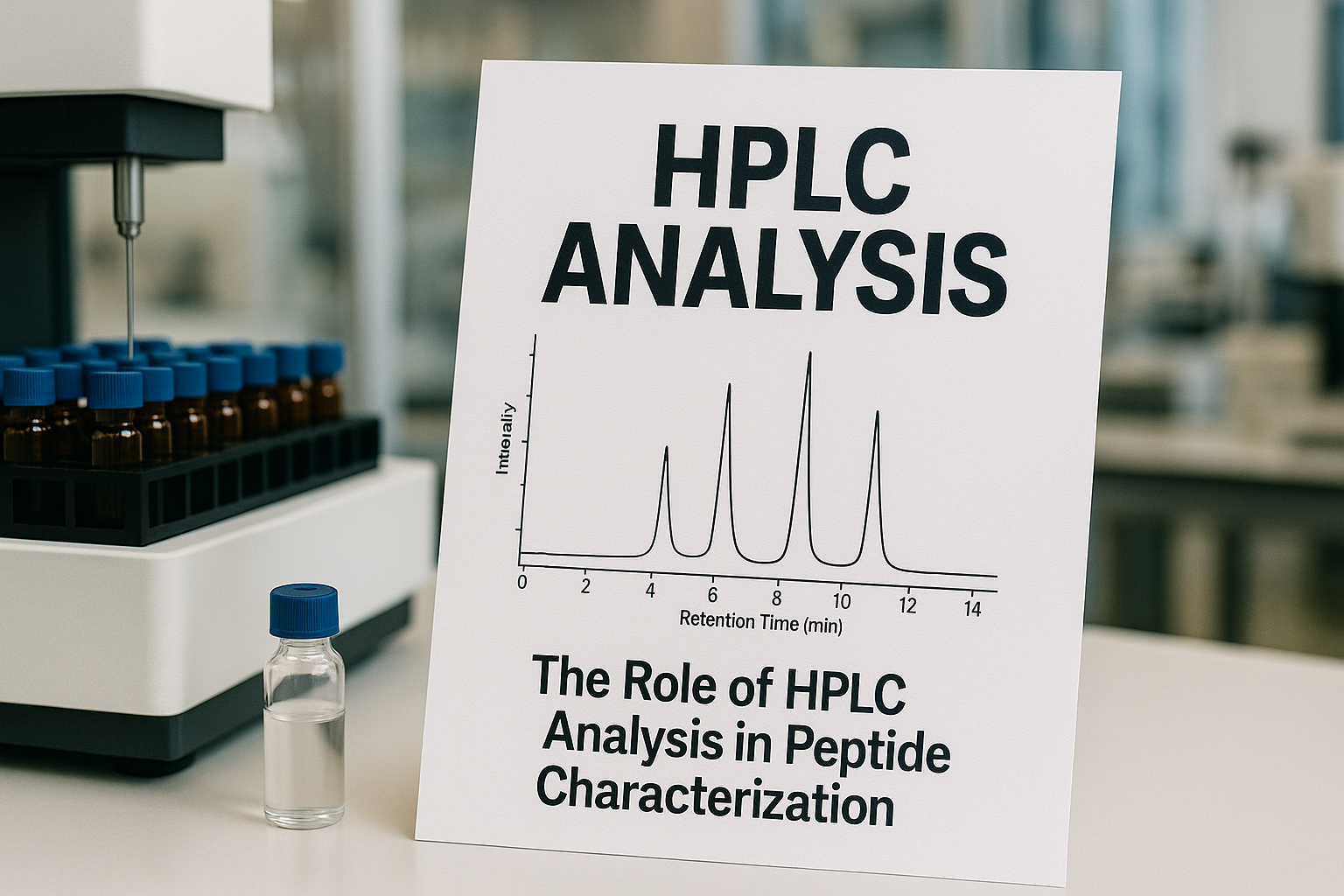
From that factor ahead, every choice you make regarding temperature, containers, light exposure, and handling strategy either preserves or ruins what you spent for. Each time you open a peptide vial, you expose the contents to ambient air, light, and moisture. Collective exposure from repeated accessibility can speed up destruction. Take a look at the powder for discoloration (yellowing or browning), clumping, or dampness.One popular strategy for analyzing peptide stability is called High-Performance Liquid Chromatography (HPLC), which is commonly paired with mass spectrometry. However, see to it you prevent frost-free fridges freezer due to the fact that the temperature level variations throughout defrost cycles can endanger peptide stability. This guide explains exactly how to safely blend, store, and manage your research study peptides. Peptide treatment works best when protocols are embellished and supported by proper method. Light soreness, itching, swelling, or small hives at the injection site are relatively common and typically not a true allergy. These reactions are commonly caused by localized immune actions or technique-related variables.
- Strategy method timing around stability limitations as opposed to requiring storage space past recommended periods.
- Lyophilized (powder) retatrutide is substantially a lot more stable than its reconstituted type.
- GHK-Cu and associated copper-binding peptides present unique considerations.
- Mass spectrometry recognizes particular chemical modifications.
the year-plus duration of secured vials. Lyophilized peptides in secured vials stand for the most stable storage space arrangement. The freeze-drying process removes water, removing the primary catalyst for hydrolysis. Without water, the primary degradation path becomes not available, leaving just slower oxidation and various other minor reactions. If you plan to make use of lyophilized peptides within a couple of days or weeks, maintain them in a fridge at temperatures below 4 ° C( 39 ° F). The majority of peptides continue to be stable at area temperature level for numerous days if avoided heat and direct sunlight. Brief periods unrefrigerated normally affect strength instead of safety. Return peptides to the fridge as soon as possible. Several peptides are given in a lyophilized, or powdered, form. These peptides must be reconstituted with bacteriostatic water prior to injection. Safety factors to consider are critical when discussing any type of brand-new